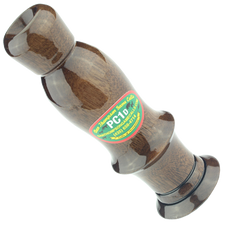


Dan Thompson Custom Predator Calls. Long Range DOUBLE Cottontail. Produces a EXTRA LOUD distressed cottontail rabbit sound. Great for coyote, fox, bear, cougar, and other predators. Wood construction provides for clear pure natural tone. Expert craftsmanship shows.
Dan Thompson Long Range Double Cottontail PC2D FAQ
The Dan Thompson Long Range Double Cottontail PC2D is designed to attract predators by producing realistic double reed cottontail rabbit distress sounds. These loud prey-in-distress vocalizations imitate an injured cottontail rabbit and are effective for calling predators over long distances. The double reed design creates a fuller, raspier sound that helps capture the attention of predators in open country.
No. The Dan Thompson Long Range Double Cottontail PC2D is a closed reed mouth call that requires little to no practice to master. Its fixed double reed design produces consistent cottontail distress sounds with simple airflow, making it beginner-friendly while giving experienced predator hunters louder, richer prey distress vocalizations.
Use the Long Range Double Cottontail PC2D when you need a loud cottontail distress sound that carries across larger areas. It is especially effective in open terrain, windy conditions, or anytime you want a more aggressive distress sound than a traditional single reed rabbit call. The PC2D serves as an excellent primary call for long-range predator hunting.
The Long Range Double Cottontail PC2D produces realistic cottontail rabbit distress vocalizations with a louder, raspier tone created by its double reed design. Its closed reed construction provides consistent prey distress sounds with minimal effort, allowing hunters to produce convincing long-range cottontail distress calls.
The Dan Thompson Long Range Double Cottontail PC2D stands out by combining a closed reed design with dual reeds to produce louder, fuller, and raspier cottontail distress sounds than traditional single reed calls. This increased sound output and realism make it an excellent choice for hunters who want maximum calling range while maintaining the simplicity and consistency of a closed reed predator call.